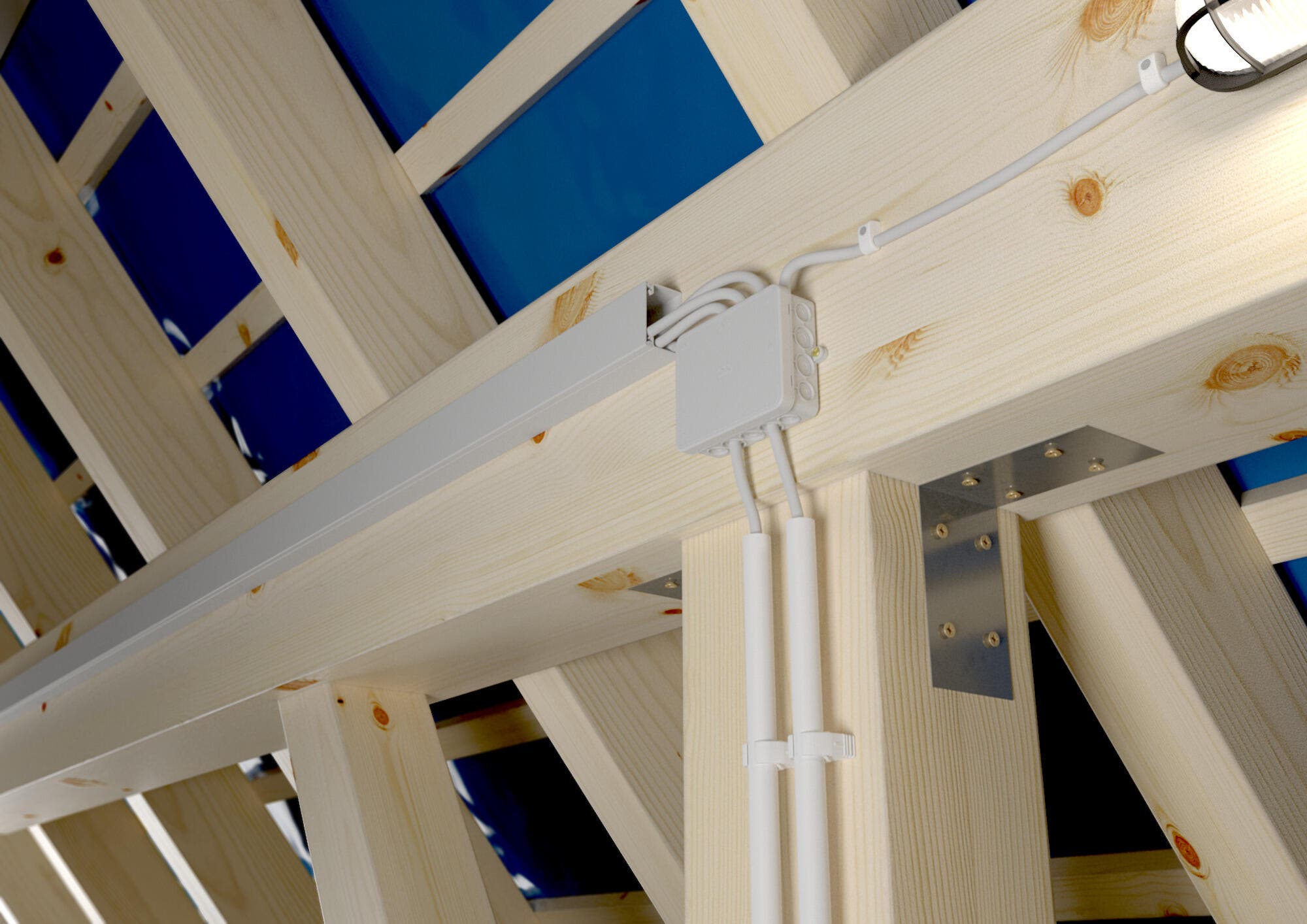
Overview of the installation areas
Various standard requirements must be fulfilled so that junction boxes can be installed in specific environments and that the internal installations do not present a safety risk
Protection against direct contact (basic protection)
Protection according to the standard conditions according to DIN VDE 0100- 410. Active parts (alternating current voltages of more than 50 V and direct current voltages of more than 120 V) must be surrounded by wrappings or arranged behind covers with a protection rating of at least IP2X. Horizontal top surfaces of covers or wrappings, which are easily accessible, must correspond to at least the protection rating IP4X. Covers and wrappings must be securely fastened and have a sufficient resistance and lifespan, in order to maintain sufficient distance to active parts under the normally expected conditions of normal operation and taking the appropriate external influences into account. Covers may only be removed with tools. All the products of OBO Bettermann fulfil these requirements
Rooms with bath tubs or showers according to DIN VDE 0100-701
Rooms with bath tubs or showers are divided up into areas, in which only certain devices may be installed
Important protection requirements:
The following switching devices, control devices and installation devices are permitted in the areas:
Area 0
No devices permitted.
Area 1
- Junction boxes and connection boxes for the supply of electrical consumables, which are permitted in areas 0 and 1 according to 701.55;
- Accessories, including sockets, of circuits protected by low voltages using safety extra-low voltage (SELV 1) or protective extra-low voltage (PELV2) with a nominal voltage, which does not exceed AC 25 V or DC 60 V. The current source must be located outside areas 0 and 1
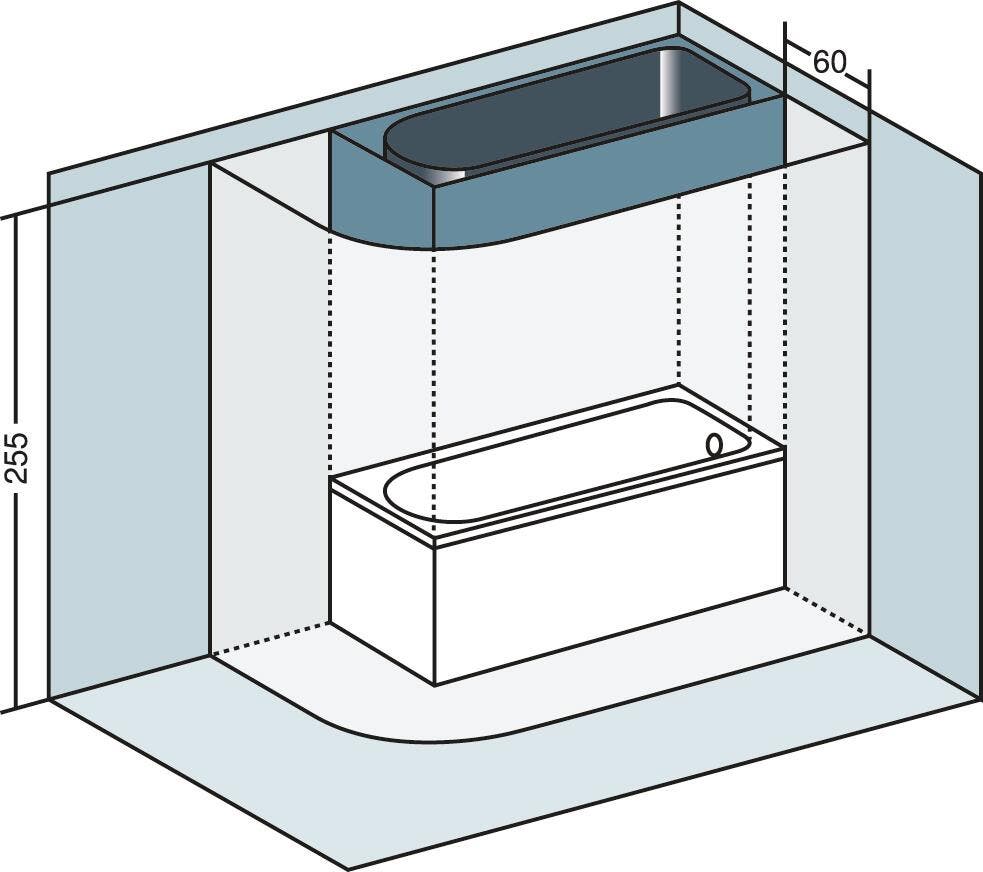
Area 2
- Accessories, with the exception of sockets;
- Accessories, including sockets, of circuits protected by low voltages using safety extra-low voltage (SELV1) or protective extra-low voltage (PELV2). The current source must be located outside areas 0 and 1;
- Shaving socket units according to DIN EN 61558-2-5 (VDE 0570-2-5);
- Accessories, including sockets for signal and communication technology resources, of circuits protected by low voltages using safety extra-low voltage
The electrical resources must have at least the following protection rating:
- In area 0: IPX7
- In area 1: IPX4
- In area 2: IPX4
This requirement does not apply to shaver socket units according to DIN EN 61558-2-5 (VDE 0570-2-5), which are erected in area 2 and where direct spraying during showering is unlikely. Electrical resources which are subjected to water jets, e.g. for cleaning purposes in public baths, must correspond at least to protection rating IPX5 in areas 1 and 2
Pools of swimming baths or other pools according to DIN VDE 0100-702
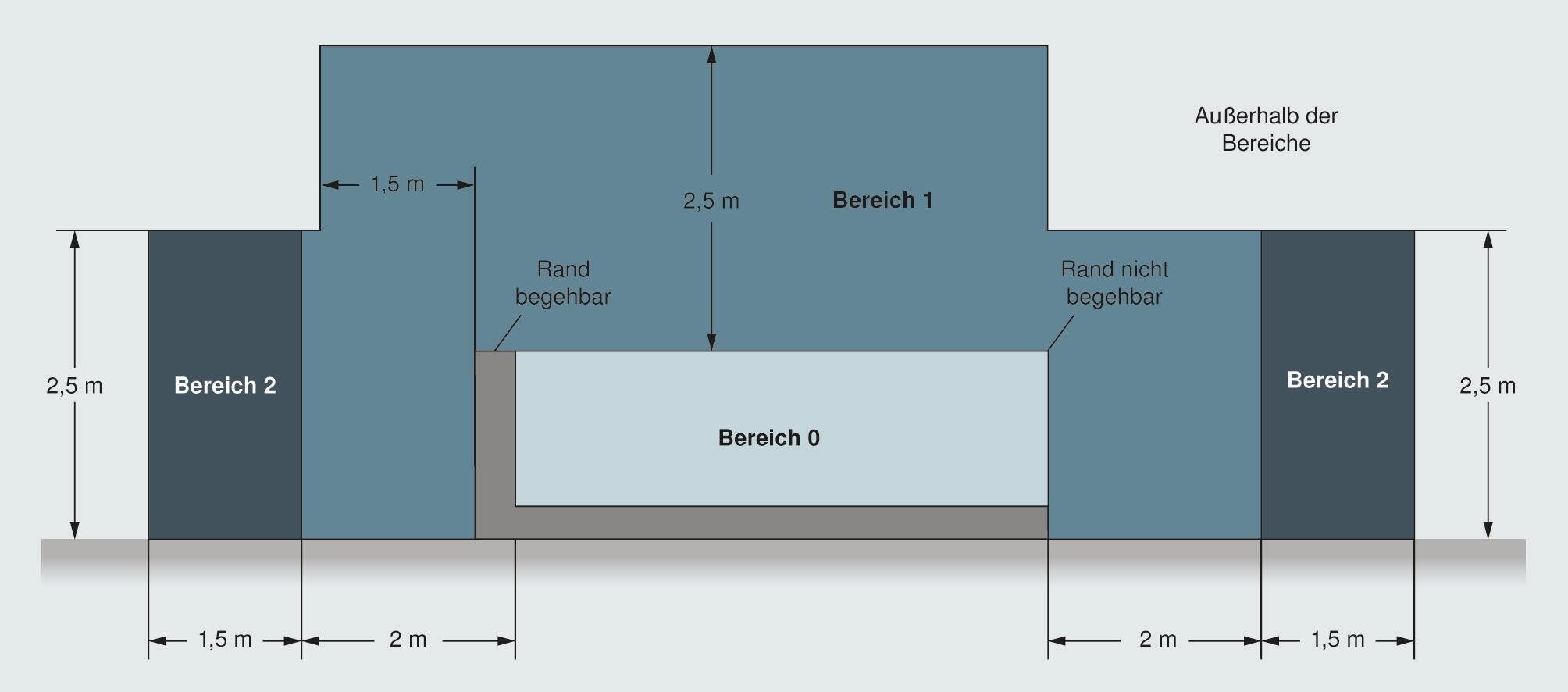
Important protection requirements:
When using safety extra-low voltage (SELV1), protection against direct contact must be guaranteed, irrespective of the nominal voltage level, through:
• Covers or wrappings with a minimum protection rating of IPX2 or IPXXB (protected against access by finger) or
• Insulation that resists a test voltage of AC 500 V for at least one minute.
Pools of swimming baths and other pools are divided up into areas in which only certain devices may be installed. Junction/connection sockets may not be erected in area 0. In area 1, only junction/connections sockets for circuits with protection through low voltages with safety extra-low voltage (SELV1) are permitted.
Mounting and installation information for junction boxes
Electrical resources used in areas of pools of swimming baths and other pools must correspond at least to the following protection ratings:
| Area | Outdoors, for cleaning work with spray water | Outdoors, without spray water | Indoors, for cleaning work with spray water | Indoors, without spray water |
| 0 | IPX5/IPX8 | IPX8 | IPX5/IPX8 | IPX8 |
| 1 | IPX5 | IPX4 | IPX5 | IPX4 |
| 2 | IPX5 | IPX4 | IPX5 | IPX4 |
Agricultural or horticultural facilities according to DIN VDE 0100-705
In these areas, there are different requirements for the switch-off devices of the circuits, but also requirements for the materials used. In final circuits with sockets, there must be an offset current protection device with a rated differential current = 30 mA. In all other circuits, except those supplying distributors, there must be an offset current unit with a rated differential current = 300 mA. With regard to the material used for the junction/connection sockets, it is necessary to check which chemical concentrations are present in the environment before the installation. This has a serious influence on the resistance of the products used.
Examples:
Stables, chicken coops, pigsties, breeding spaces, storage locations for straw, fertilisers and cereals, etc.
Damp and wet areas, rooms and outdoor areas according to DIN VDE 0100-7
Important protection requirements:
In damp and wet areas and rooms, electrical resources must at least be protected against water droplets (protection rating IPX 1)
In areas and rooms, in which spray water is used and the resources are normally not sprayed directly for cleaning purposes, the resources must have at least spray water protection (protection rating IPX 4). In areas and rooms in which spray water is used, resources that are subjected to the water jets directly must, with regard to water protection, have a protection rating suitable to being subjected to a water jets or have sufficient additional protection that does not impair perfect operation of a resource protected in such a manner.
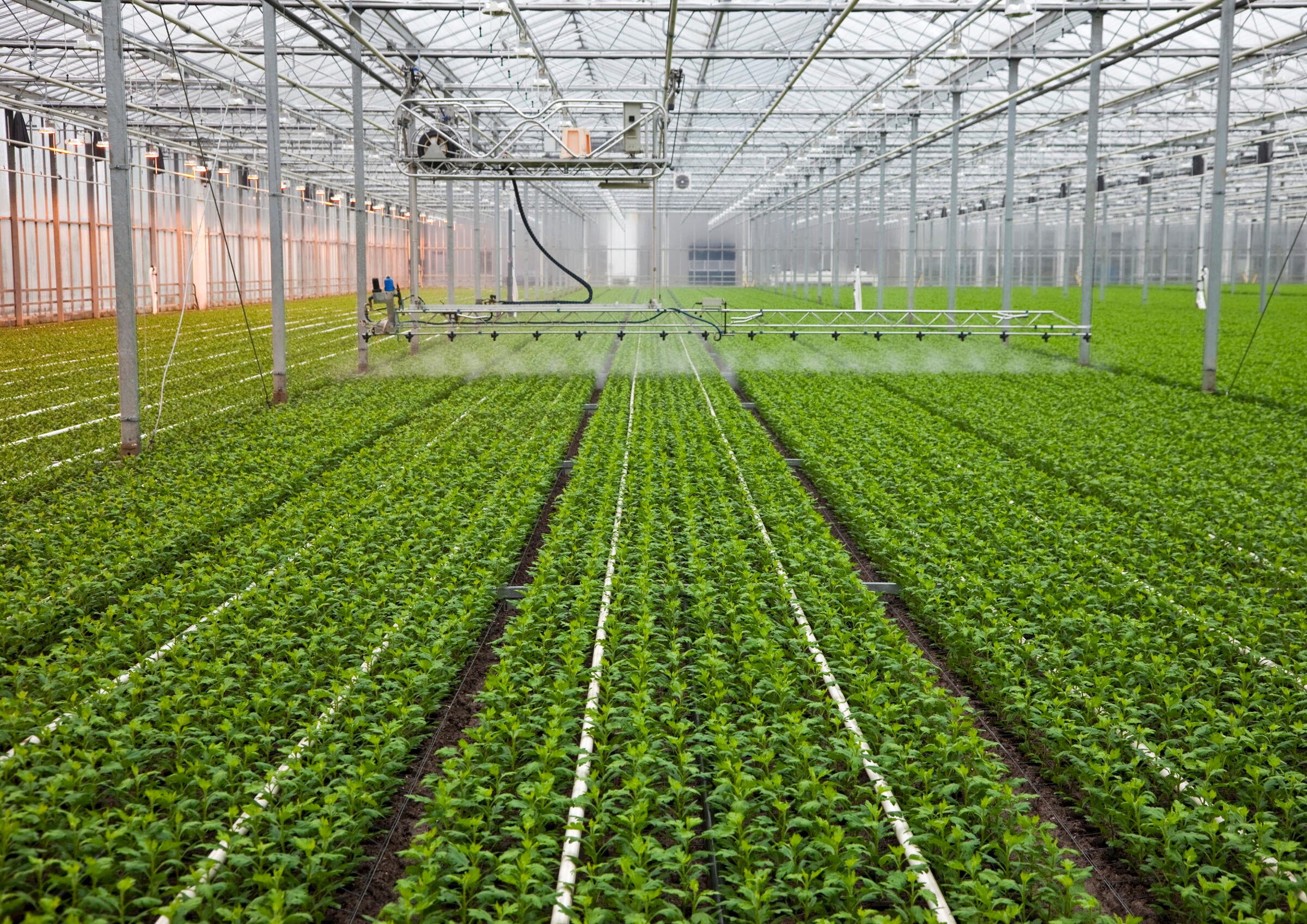
Examples: Canteens, unheated and unventilated cellars, laundries, refrigerators, greenhouses, laundrettes, etc.
Open-air systems
Important protection requirements: In protected outdoor areas, resources must at least be protected against water droplets (protection rating IPX1). In unprotected outdoor areas, resources must at least be protected against spray water (protection rating IPX3). The requirements for protection through an automatic switch-off of the power supply are listed in DIN VDE 0100-470 (VDE 0100-470):1996-02 and, amongst other things, apply to
• Sockets outdoors,
• Sockets that may occasionally be used to supply portable resources outdoors.
In addition, ventilation and/or drainage is essential!
Examples of unprotected installations outdoors: Roads, paths and squares, throughways and gardens, construction locations, platforms, ramps and roofs, construction machines, petrol stations and buildings.
Examples of protected areas outdoors: Systems on covered platforms, gateways and covered petrol stations, houses or buildings with a sufficient roof overhang/with additional weather protection.
Photovoltaic systems according to DIN VDE 0100-712
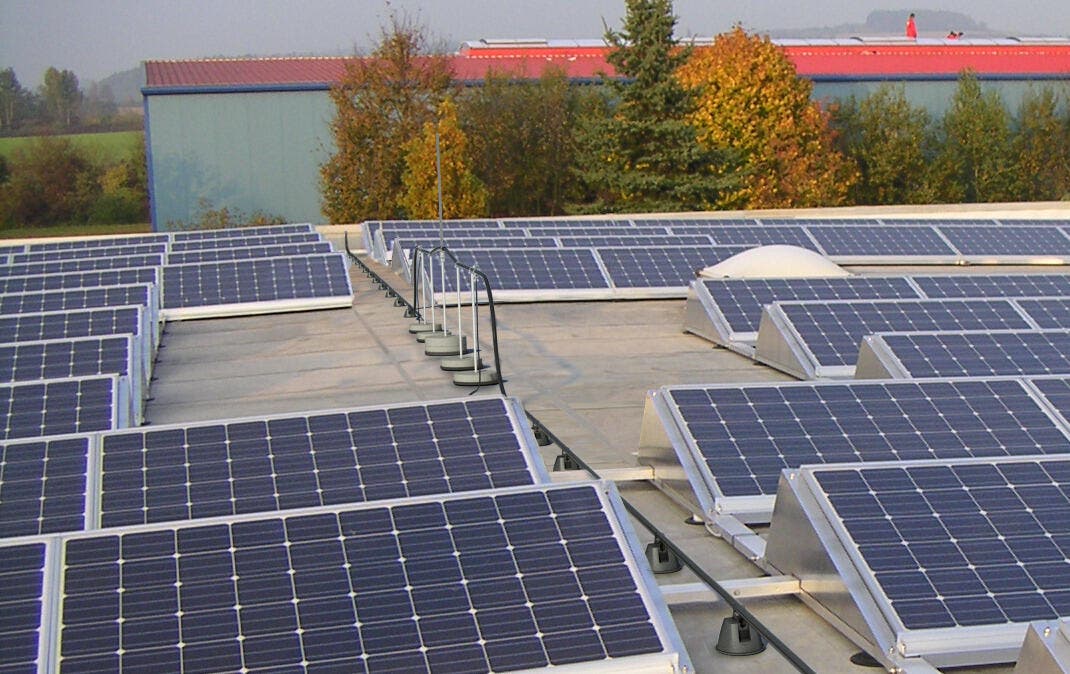
Important protection requirements: The periphery of PV systems is mounted primarily outdoors.
For this reason, the following important protection requirements apply:
• External influences that are to be expected, such as wind, ice formation, temperature and sunlight, must be taken into account.
• In PV systems, it is essential that the heat created by direct sunlight is dissipated.
All connection/junction boxes must be provided with a warning that active parts in the boxes could still be energised after the PV inverter is disconnected. The requirements for switching off the PV system for maintenance work can be found in VDE 0100-712, Section 53.
In addition, ventilation and/or drainage is essential!
Strain relief, cable systems VDE 0100-520
Cable systems must be selected and erected in such a way that damage is avoided during the erection, operation and maintenance work. The tension on a cable should not exceed the values stated below. This is dependent on a maximum tensile strength of 1,000 N or a value agreed with the manufacturer. • 50 N/mm2 for non-flexible cables during routing. • 15 N/mm2 for flexible cables with maintained tensile loading and non-flexible cables during operation in permanently installed circuits
When the above-mentioned values are exceeded, suitable measures must be taken. This can be implemented using a suitable, separated agent/product. This agent may not damage the cables. For junction boxes, this specification can take place using various measures. On the one hand, through the use of a suitable cable gland, which is directly inserted into the box, and, on the other, through the use of suitable strain relief clips, which are mounted outside the box
You might also find this interesting
Wide range of our junction boxes
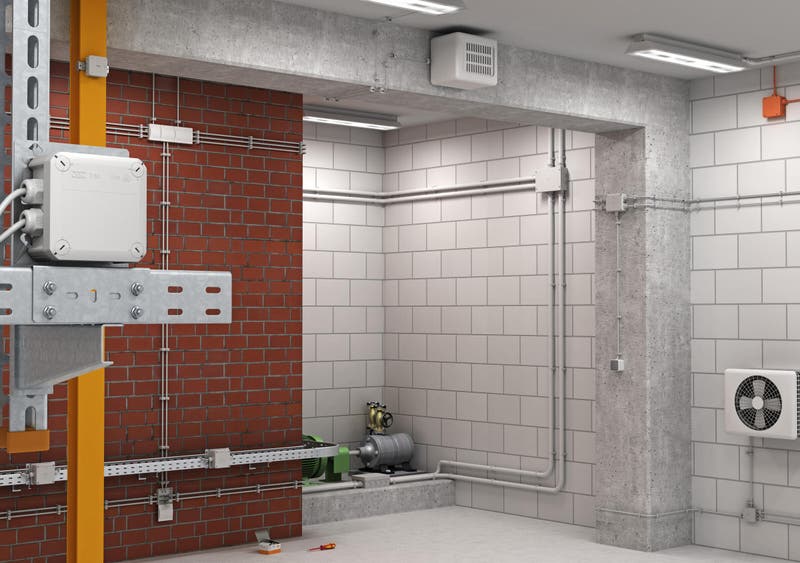
Our junction boxes cover a wide range of requirements – from simple connection solutions to robust solutions for industrial and outdoor applications.
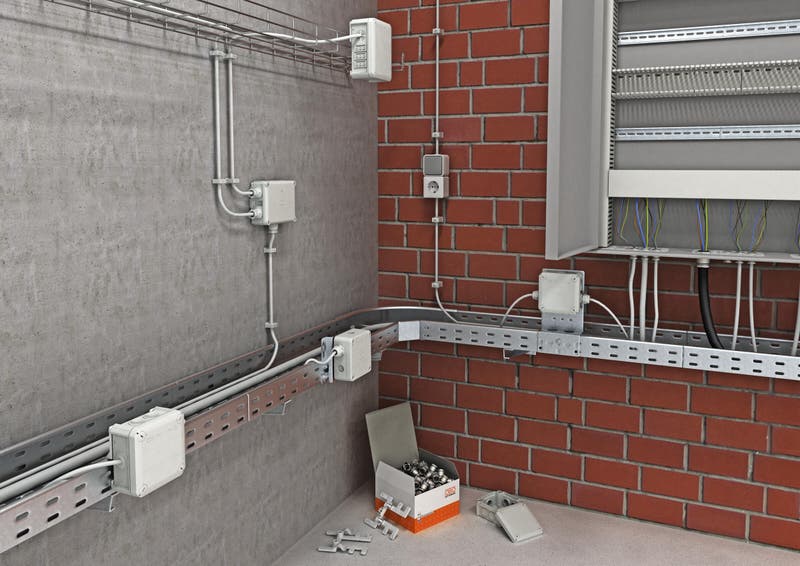
Mounting and installation information for junction boxes
From IP44 to IP68: Easy-to-understand explanations, test requirements and practical tips for weatherproof installations.